

Hotel Website Development: Essential Features Every Hotel Needs
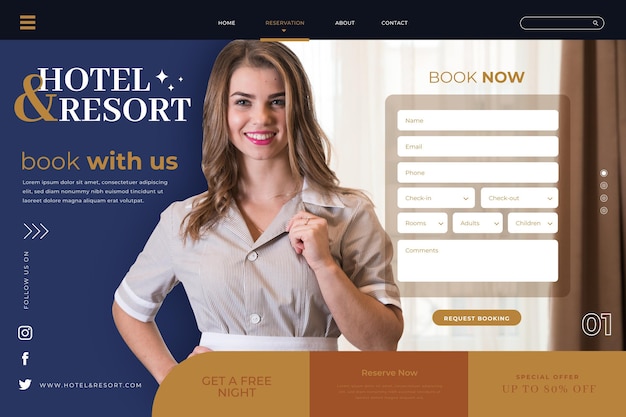
The hospitality industry is becoming increasingly competitive, and having a professional website is essential for hotels that want to attract more guests and increase direct bookings. Today, travelers search online to compare hotel rooms, check prices, explore amenities, view photographs, and make reservations before planning their trips. A well-designed hotel website helps businesses showcase their property, build trust, and provide a convenient booking experience.
Hotel website development involves more than creating attractive web pages. It requires a combination of responsive design, an online booking system, search engine optimization (SEO), secure payment options, and user-friendly navigation. Whether you operate a small boutique hotel, a luxury property, or a holiday resort, the right website can help you reach more potential guests and strengthen your online presence.
In this guide, we will explore the essential features every hotel website needs to deliver a better user experience and support business growth.
1. Professional and Attractive Website Design
First impressions matter when travelers visit a hotel website. A visually appealing design helps communicate the property’s atmosphere, quality, and services. Visitors should immediately understand what makes the hotel special and why they should consider staying there.
A professional hotel website should include a clean layout, readable typography, consistent branding, high-quality photographs, and clearly visible booking buttons. The design should reflect the hotel’s personality, whether it is a budget-friendly accommodation, a luxury hotel, or a peaceful resort surrounded by nature.
The homepage should highlight important information such as room categories, facilities, special offers, location, and guest experiences. Avoid overcrowding the page with unnecessary animations or excessive text, as these elements can distract visitors from making a reservation.
A well-planned hotel website design creates a positive first impression and encourages visitors to explore the available rooms and services.
2. Mobile-Friendly and Responsive Design
Many travelers use smartphones to research destinations, compare accommodation options, and book rooms. A hotel website that does not work properly on mobile devices may lose potential customers.
Responsive website development ensures that the website automatically adjusts to different screen sizes, including smartphones, tablets, laptops, and desktop computers.
Important mobile-friendly features include:
- Easy-to-read text and properly sized buttons.
- Simple navigation menus.
- Fast-loading images and pages.
- Mobile-friendly booking and inquiry forms.
- Click-to-call and WhatsApp contact options.
- A smooth reservation process without unnecessary steps.
A responsive website makes it easier for guests to find information and complete bookings while traveling. It also supports SEO because search engines use the mobile version of a website as the primary version for indexing.
3. Online Room Booking System
An online booking system is one of the most important features of a hotel website. It allows visitors to check room availability, select their travel dates, choose suitable accommodation, and submit reservations directly through the website.
A well-designed hotel booking system should include:
- Check-in and check-out date selection.
- Room availability checking.
- Different room categories and occupancy options.
- Transparent room rates and applicable taxes.
- Booking confirmation and reference details.
- Guest information forms.
- Cancellation and booking policies.
For hotels with multiple room categories, the booking system should clearly display the differences between available options. This helps guests choose the right room according to their budget and requirements.
Depending on the property’s needs, the booking system can also integrate with a hotel property management system (PMS) or channel manager. These integrations can help synchronize availability and rates across supported booking platforms, reducing the risk of double bookings.
4. Secure Online Payment Options
Convenient payment options can make the booking process easier for guests. A hotel website may allow customers to pay the full amount, make a partial advance payment, or reserve a room according to the hotel’s booking policy.
Payment options may include credit cards, debit cards, UPI, net banking, and other supported payment methods, depending on the hotel’s location and payment gateway.
Security should always be a priority. The website should use HTTPS encryption and integrate with a reputable payment gateway that supports appropriate security standards.
The booking process should clearly communicate payment terms, cancellation conditions, refund policies, and any additional charges before the guest confirms the reservation.
A secure and transparent payment experience helps build confidence and reduces confusion during the booking process.
5. High-Quality Room and Property Galleries
Travelers want to see what they are paying for before making a reservation. High-quality photographs help them understand the appearance, comfort, and facilities of a hotel.
A hotel website should include dedicated galleries for different room categories and property areas, such as:
- Standard, deluxe, and premium rooms.
- Suites and family accommodation.
- Swimming pools and fitness facilities.
- Restaurants, cafes, and dining areas.
- Conference halls and event spaces.
- Gardens, balconies, and outdoor areas.
- Resort surroundings and nearby attractions.
Use clear, authentic photographs that accurately represent the property. Images should be optimized for web performance so that they load quickly without sacrificing visual quality.
You can also include short property videos or virtual tours where appropriate. These visual elements help potential guests explore the property before arriving.
6. Search Engine Optimization for Hotel Websites
A beautiful website is not enough if potential customers cannot find it online. Search engine optimization helps improve a hotel’s visibility when travelers search for accommodation, destinations, and related services.
Professional hotel website development should include SEO-friendly website structure, relevant page titles, meta descriptions, optimized headings, descriptive image alt text, and logical internal linking.
Hotels can create dedicated pages for important services and accommodation types, such as family rooms, luxury suites, conference facilities, wedding venues, or resort packages.
Local SEO is particularly valuable for hotels because travelers often search using destination-specific phrases such as “hotel in Kolkata,” “resort near Darjeeling,” or “family hotel in Digha.”
Useful SEO practices include:
- Targeting relevant local and hospitality keywords.
- Creating informative travel and destination blogs.
- Maintaining accurate business contact information.
- Connecting the website with Google Business Profile where appropriate.
- Implementing relevant structured data when eligible.
- Improving page speed and mobile usability.
- Keeping XML sitemaps and robots.txt properly configured.
SEO takes time and does not guarantee specific rankings, but a well-optimized website provides a stronger foundation for attracting relevant organic traffic.
7. Clear Contact Information and Location Maps
Guests often need to confirm a hotel’s location, ask about facilities, or clarify booking details before making a reservation. Your website should make contacting the hotel easy.
Include the hotel’s phone number, email address, full location, reception hours, and inquiry form. Click-to-call buttons and WhatsApp integration can make communication more convenient for mobile users.
An embedded map can help visitors locate the property and plan their journey. You can also provide directions from nearby airports, railway stations, bus terminals, and major landmarks.
For hotels located outside major cities, clear directions and information about transportation options can be especially useful.
Displaying accurate contact details consistently across the website and other online business listings also supports local search visibility.
8. Guest Reviews and Testimonials
Online reviews influence accommodation decisions. Many travelers check previous guests’ experiences before choosing a hotel, so displaying genuine feedback can help build credibility.
A hotel website can include testimonials, selected guest reviews, ratings from supported review platforms, and links to external review profiles.
When presenting reviews, use authentic feedback and obtain any necessary permissions for customer photographs or other personal information. Never publish fabricated testimonials or misleading ratings.
It is also useful to explain how guests can submit feedback after their stay. Responding professionally to reviews across relevant platforms demonstrates that the hotel values customer satisfaction.
Genuine guest experiences can help visitors feel more confident when comparing accommodation options.
9. Special Offers, Packages, and Seasonal Promotions
Hotels frequently offer discounts, holiday packages, honeymoon stays, family deals, corporate rates, or extended-stay promotions. A dedicated offers section allows visitors to discover these opportunities easily.
Each offer should clearly explain its price, validity period, inclusions, booking conditions, and applicable restrictions.
For example, a resort might promote a weekend package that includes accommodation, breakfast, and selected activities. A business hotel could highlight corporate accommodation packages or conference facilities.
An easy-to-update content management system allows hotel staff to publish new promotions without requiring a complete website redesign.
However, offers should remain accurate and should not create confusion about availability or additional charges.
10. Fast Website Loading Speed
Website speed affects user experience. Visitors may leave if room pages, photographs, or booking forms take too long to load, particularly when using mobile internet connections.
A fast hotel website should use optimized images, efficient code, browser caching, and reliable hosting. Developers should also avoid unnecessary plugins, excessive scripts, and heavy animations that slow down important pages.
Performance can be improved by:
- Compressing and resizing images appropriately.
- Using modern image formats where supported.
- Enabling caching and compression.
- Reducing unnecessary CSS and JavaScript.
- Selecting hosting suitable for the website’s traffic.
- Monitoring Core Web Vitals and other performance indicators.
Regular speed testing helps identify problems before they affect too many visitors. Faster pages make it easier for guests to browse room details and complete booking inquiries.
11. Easy-to-Manage Content Management System
Hotels frequently need to update room rates, photographs, facilities, seasonal offers, policies, and announcements. A content management system (CMS) makes these updates easier.
For example, a WordPress-based hotel website can provide an administration dashboard where authorized staff can manage website content without editing code directly.
Depending on the selected solution, the CMS may support:
- Room and accommodation pages.
- Photo galleries.
- Blog posts and travel guides.
- Special offers and promotional banners.
- Guest testimonials.
- Contact information and inquiry management.
More advanced websites may require a dedicated hotel booking platform or custom development. The right choice depends on the property’s size, operational needs, and budget.
A well-planned CMS reduces dependence on developers for routine content updates and helps keep the website current.
12. Website Security, Backups, and Maintenance
Security is essential for any hotel website, particularly when it collects personal information or processes reservations and payments.
Hotel website development should include HTTPS, secure authentication, updated software, appropriate access controls, and reliable backup arrangements. Payment information should be handled through secure payment providers rather than stored unnecessarily on the website.
Regular maintenance helps prevent technical problems and keeps the website functioning properly.
Hotels should also review their booking forms, contact links, room availability integrations, and payment processes periodically. Automated backups and a documented recovery process can reduce disruption if a technical issue occurs.
Ongoing maintenance is an important investment in website reliability and guest confidence.
13. Analytics and Booking Performance Tracking
Website analytics help hotel owners understand how visitors discover and use their websites. With appropriate tracking and privacy settings, tools such as Google Analytics can provide insights into traffic sources, popular pages, user engagement, and completed booking actions.
Conversion tracking can help measure how many visitors submit inquiry forms or complete supported online reservations.
These insights can answer important business questions:
- Which marketing channels bring visitors to the website?
- Which room pages receive the most attention?
- Are mobile visitors completing inquiries?
- Which campaigns generate booking activity?
- Where do visitors leave the reservation process?
Hotel owners can use this information to improve website content, refine marketing campaigns, and identify opportunities to make booking easier.
Analytics should be configured carefully, with suitable consent and privacy practices where required.
Conclusion
A successful hotel website combines attractive design, convenient booking facilities, mobile responsiveness, strong SEO foundations, secure payments, and reliable performance. These features help travelers discover the property, understand its offerings, and make informed booking decisions.
The best website solution depends on the hotel’s size, target audience, budget, and booking requirements. A small hotel may need a responsive informational website with inquiry forms, while a larger property may benefit from a fully integrated booking engine, payment gateway, and property management system.
Rank Crest provides website development and digital marketing services to help businesses build a stronger online presence. If you are planning a new hotel website or want to improve an existing one, investing in the right design, functionality, and SEO strategy can help create a more convenient experience for your guests and support your long-term business goals.
Contact Rank Crest to discuss your hotel or resort website development requirements and find a solution suited to your business.

Bijoy
Author